
The Sanville Institute Scholarship Program
The Sanville Institute scholarship program is designed to assist qualified professionals pursuing doctoral research in mental health. The Board is particularly desirous of encouraging clinical competence in a culturally and racially diverse population of clinicians. Each year, The Sanville Institute will award four scholarships of $15,000 each.
Applications for the 2026-27 scholarship have closed. Recipients will be announced in May 2026.
Application Evaluators Needed
The Sanville Institute is seeking individuals to evaluate 3-5 scholarship applications in February-March 2026. Raters should have some experience with doctoral level research related to mental health. Though people in academic positions are particularly suitable, an academic position is not required. To let us know you are interested, or to get more information, please contact admin@sanville.edu.
Frequently Asked Questions
The Sanville Institute operated a doctoral program in clinical social work in California from 1974 until 2018. When it discontinued its doctoral education program, the Board of Trustees began to consider alternate uses for their remaining funds (which are primarily derived from the estate of Jean Sanville, for whom the Institute is named). It was obviously of importance that any new program be consistent with the Mission of The Sanville Institute and with the priorities of our founder, Jean Sanville.
The Board decided to initiate a scholarship program for students at the doctoral level of mental health professional training, with the intention of relieving some of the financial burden of pursuing an advanced degree. Further, the Board is particularly desirous of encouraging clinical competence in a culturally and racially diverse population of clinicians. The Sanville Institute made its first set of scholarship awards for the 2024-25 academic year.
- Applicants must be enrolled and in the dissertation phase in an approved or accredited educational program that offers a doctoral level clinical degree (e.g. social work, marriage and family therapy, counseling, psychology, psychiatric-mental health nursing). We will also consider applicants from other doctoral programs whose research projects have significant implications for clinical practice. Please bear in mind that we expect scholarship recipients will still be actively working on their dissertation during the 2026-27 academic year.
- An applicant’s research topic fits within the Mission and Vision of The Sanville Institute and has clinical and socio-cultural relevance.
- Applicants are not related to any trustee of The Sanville Institute.
- In your application we would like you to demonstrate your commitment to the provision of mental health treatment and social justice while highlighting your research, qualifications and potential impact in the field.
- Before beginning the application process, applicants will please review The Sanville Institute’s website, specifically its Mission, Vision and DEI statements.
- Complete applications are due by January 31, 2026.
- Final selection of scholarship recipients will be made in May 2026. Recipients and those whose applications were not selected will all be notified.
- Scholarship funds will be distributed mid August 2026 for the academic year 2026-27.
- Recipients may apply for a renewal for a second year if by then their research proposal has been approved by their dissertation chair and committee.
For your application to be considered, it must include each item listed below. More detail on each is provided in the application submission process.
- Cover Sheet
- Contact Information for Two References
- Current CV or Resume
- Letter from Dissertation Committee Chairperson
- Description of Research Project
- Personal Statement
- Each complete application will be reviewed and rated by three independent reviewers in February and March 2026. All reviewers have experience in doctoral level clinical education.
- Applications receiving the highest ratings will be considered finalists.
- For all finalists, letters of recommendation will be requested from the two references listed on the original application.
- Finalists’ applications and letters of recommendation will be referred to The Sanville Institute Board of Trustees who will select the four scholarship recipients.
- First and foremost, The Sanville Institute expects scholarship recipients to make significant progress towards completing their research and dissertation, which will contribute to socio-culturally informed understanding and practice in the field of mental health.
- We will ask recipients to provide informal progress reports during the academic year 2026-27. Details about such reports will be provided when awards are made.
- We will also ask for a summary of the progress recipients made towards their research study at the end of the academic year, with permission for the summary to be posted on The Sanville Institute website.
- We will invite and encourage recipients to present their completed research study (or their work-in-progress if they have not completed the study within three years from the scholarship year) in a continuing education program sponsored by The Sanville Institute on Zoom.
Please direct questions about the scholarship program or the application process to admin@sanville.edu.
2025-26 Sanville Institute Scholarship Recipients
The Sanville Institute is very pleased to announce five scholarship recipients for the 2025-26 academic year. The Board of Trustees’ decision to award five scholarships reflects our commitment to support research that has socio-cultural, as well as clinical relevance; in particular we are proud to encourage and support research that promotes diversity, equity, and inclusion at a time when these values are under attack by the current US administration and more broadly.
This change in the number of scholarship awards — from our previously publicized intent to grant four scholarships annually — applies to the 2025-26 year only and is not guaranteed for following years.
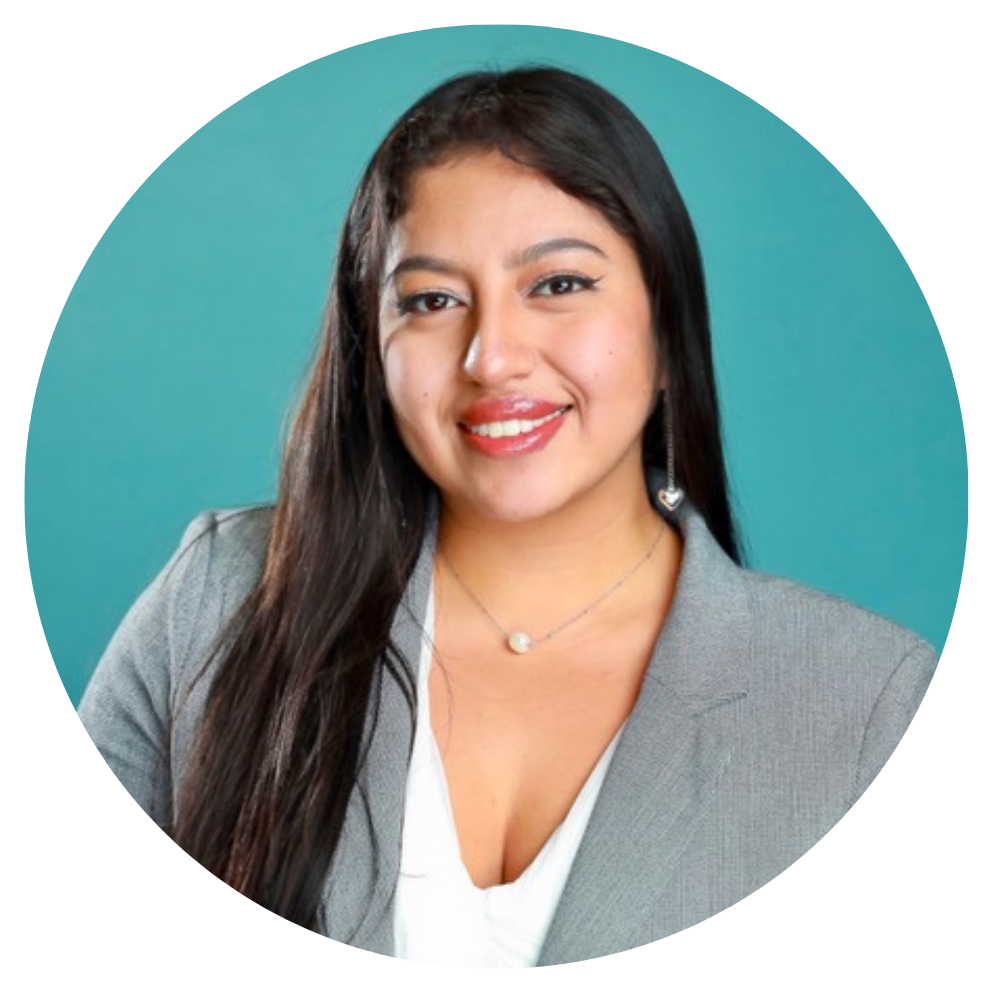
Kimberly Fuentes
UCLA Department of Social Welfare
Geographies of Utopia: Creating Liberated Lifeways Along the Figueroa Corridor
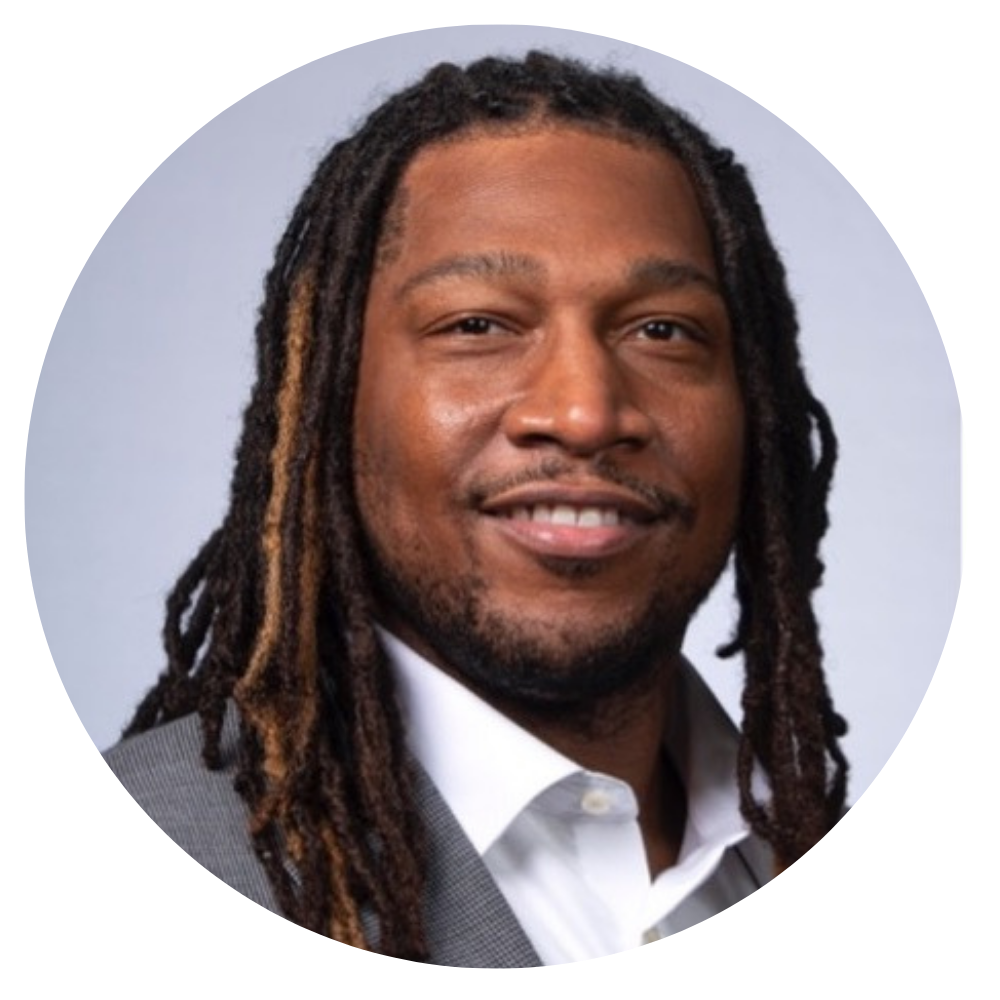
Larry Leo Davis
Loyola University Chicago, School of Social Work
Rebuilding Fractured Attachments: The Role of Fatherhood Interventions in Sustaining Well-being, Mental Health, Child Attachment, and Parenting Relationships for Fathers Impacted by the Criminal Legal System

Michelle M. Marchese
Smith College School of Social Work
Eye Movement Desensitization and Reprocessing for Race-Based Traumatic Stress

LaCresha Cunningham
Clark Atlanta University/School of Social Work
Creating Sacred Spaces: The Impact of Culturally Humble Practices on the Mental Health of Perinatal Women of Color

Remi Mitchell
Institute for Clinical Social Work
Navigating Transitions: Exploring Parent’s Ambiguous Loss as a Child Transitions
2024-25 Sanville Institute Scholarship Recipients
The Sanville Institute is pleased to announce the recipients of the 2024-25 scholarship program. We are thrilled to support their important research projects.

Cheryl Aguilar, LICSW
Smith College School for Social Work
What About the Parents? Exploring the Impact of Immigration Separation and Reunification on the Wellbeing and Sense of Self of Central American Parents
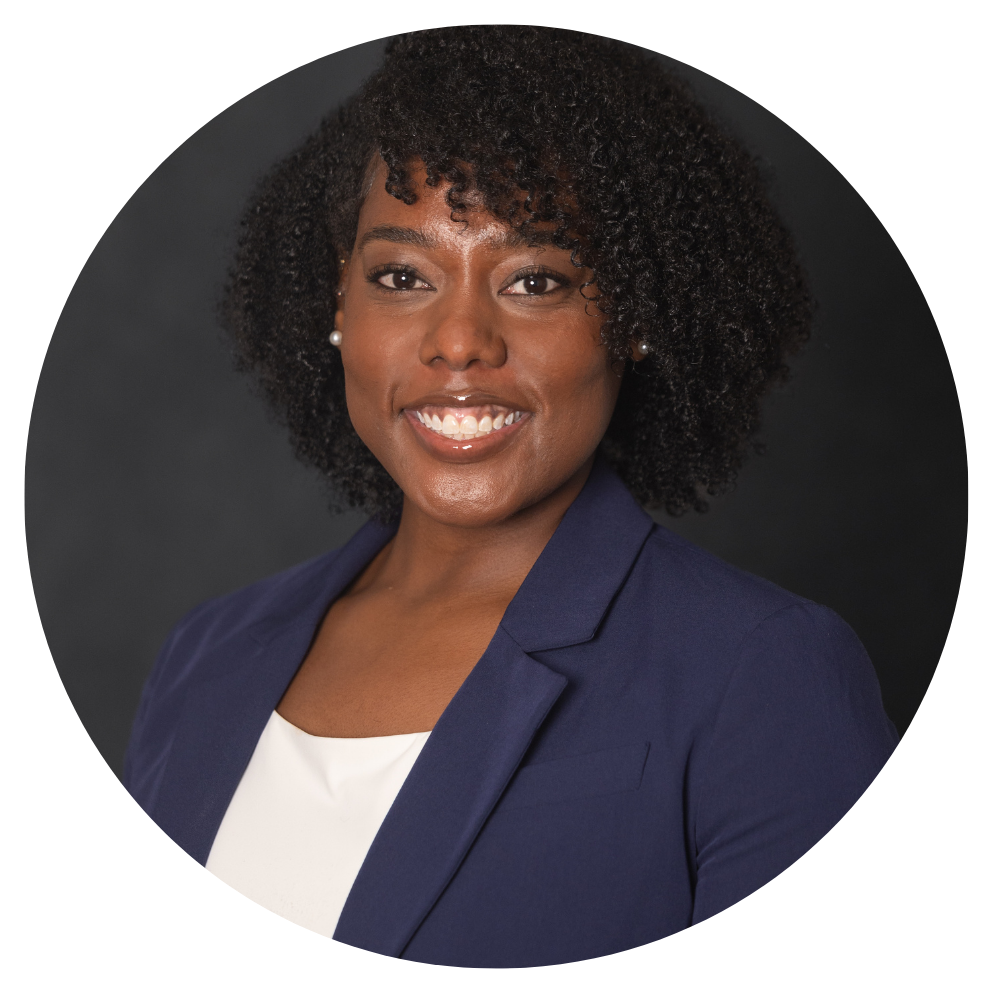
Maegan Barber, MSW
Howard University, Clinical Psychology
The Examination of Racial Socialization Competency and Coping Self Efficacy in Black Emerging Adults with Childhood Trauma and Race-Related Stress Experiences
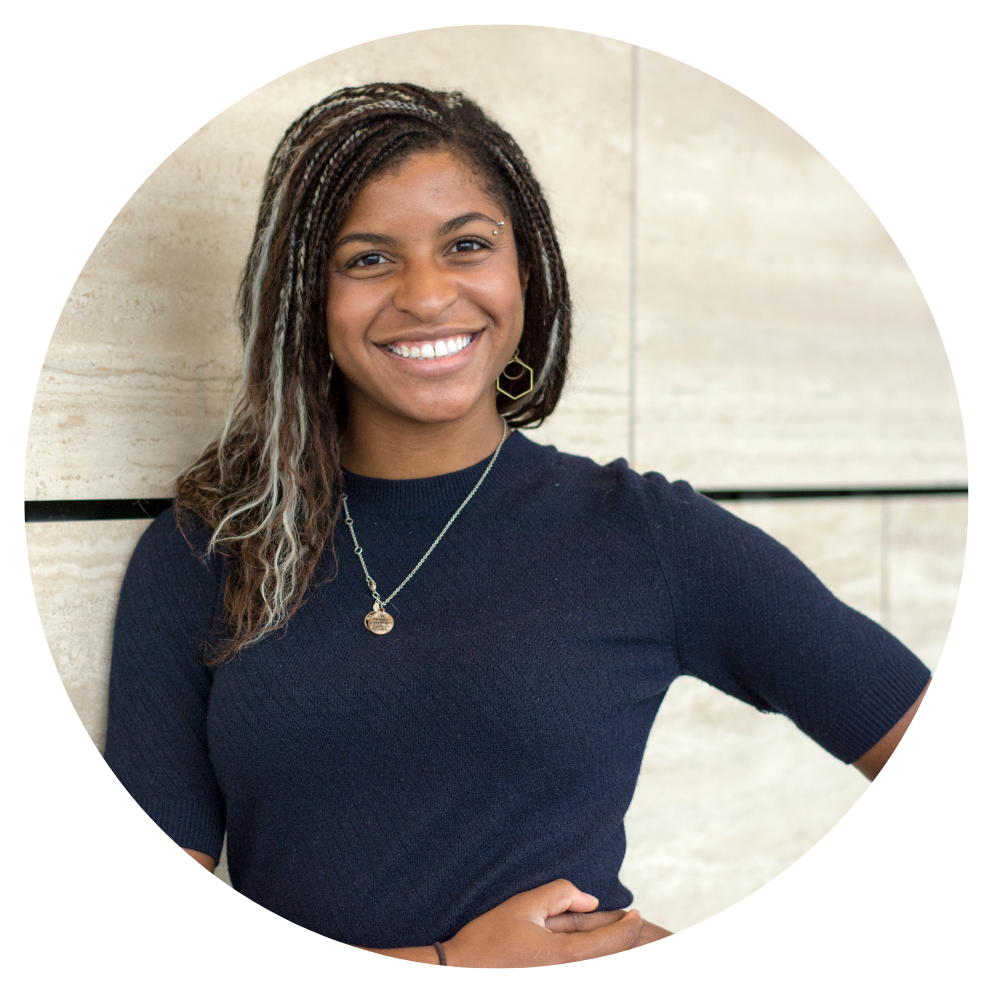
Jhia Jackson, MS
University of California, San Francisco, Department of Social and Behavioral Sciences, Doctoral Sociology Program
Understanding the Lived Experiences of Adolescents and Young Adults Engaging in Healthcare Decision-Making at or Near the End of Their Life
Nadeja Wesley, LCSW
Institute for Clinical Social Work
Through Their Lens: The Effects of Police Fatalities on African American Men
[What are the subjective psychological experiences of African American men who view recorded video images depicting the death of other African American men by the actions of law enforcement?]